 Hydroxychloroquine Research: Breakthroughs and Current Studies
Historical Significance of Hydroxychloroquine in Medicine
Once hailed as a miracle drug, hydroxychloroquine's journey in medicine has been nothing short of compelling. Originally developed as an antimalarial elixir, it quickly became a staple in the treatment of autoimmune conditions such as lupus and rheumatoid arthritis. Its ability to manage inflammation with few side effects contributed to its popularity. Physicians have trusted this comp medication in countless scripts, confident in its proven track record. Over time, hydroxychloroquine's role expanded, becoming a part of drug cocktails for other conditions due to its immune-modulating effects. Despite its illustrious history, the drug's journey has not been entirely smooth, facing waves of controversies. Understanding these ups and downs offers a glimpse into the ever-evolving nature of medical treatments.
| Decade |
Significant Uses of Hydroxychloroquine |
| 1940s |
Antimalarial treatment |
| 1970s |
Lupus, rheumatoid arthritis |
| 2020s |
Explored for COVID-19 treatment |
Recent Clinical Trials: Outcomes and Insights
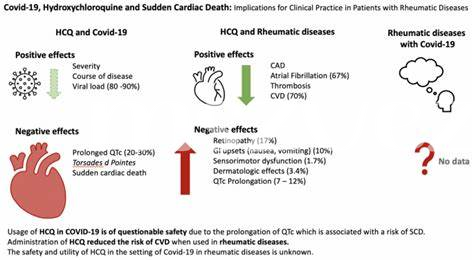
As recent studies unfold, the script of hydroxychloroquine in treating various conditions continues to capture significant attention. A few trials generated a tremendous buzz, exploring this compound’s efficacy in combating several ailments beyond its traditional applications. One intriguing study examined its potential impact on rheumatoid arthritis symptoms, achieving promising results that may redefine patient care. Despite the pressures to speed discoveries, some trials reinforced the necessity of meticulous methodology, revealing mixed outcomes and emphasizing that jumping to conclusions could lead to poor therapeutic substitution.
Meanwhile, researchers are dissecting the data like experienced pharm techs, aiming to uncover a definitive role for this drug in modern medicine. Current findings suggest that while hydroxychloroquine may hold some benefits, its usage must be stratified carefully following professional sig. Essentially, different clinical situations call for a tailored approach to maximize therapeutic outcomes, much like adjusting a cocktail to suit individual needs. The blend of anticipation and caution in ongoing studies marks this stage as a critical juncture in medical discovery.
Hydroxychloroquine's Role in Treating Covid-19
In the face of the pandemic chaos, hydroxychloroquine emerged as a beacon of hope for many, often turning pharmacy windows into drive-thrus for urgent prescription pickups. Prescribed off-label, it quickly became a topic of heated debate. Some early studies suggested that, when paired with other medications, this compound might curb virus replication. However, subsequent research unveiled varied outcomes, with some studies indicating no significant benefits. Despite teh controversies, the interest in this generic drug's mechanism of action continues, as researchers endeavor to unlock its true potential.
Controversies and Debates Surrounding Hydroxychloroquine Research

Amid the global upheaval of Covid-19, hydroxychloroquine emerged as a flashpoint of medical and public debate. Early optimism waned as conflicting clinical trial outcomes surfaced, sparking intense discussions about its efficacy in fighting the virus. Critics argued the drug, commonly paired in a cocktail with antibiotics like the Z-Pack, could be more harmful than beneficial. Supporters claimed otherwise, marked by politically-charged rhetoric.
Compounding the controversy was the media's framing, which often led to a public divide instead of scientific consensus. Pharm Parties buzzed with talk of this once-niche compound medication, while the actual Count and Pour of reliable data was overlooked, leaving experts questioning untill today.
New Discoveries in Hydroxychloroquine's Mechanism of Action
Hydroxychloroquine has been under the microscope beyond its traditional script uses for malaria and rheumatoid arthritis. Recent research sheds light on how this medication modulates the immune response, acting more like an elixir for autoimmune pathways than previously thought. While the compound medication's unique properties beg curiosity, pharmacologists are only beginning to unravel its full potential. Mechanistic revelations include its interference with lysosomal pH levels and the subsequent influence on cytokine production.
| Mechanism |
Discovery |
| Immune Modulation |
Influences cytokine production |
| pH Impact |
Alters lysosomal environment |
These discoveries push the boundaries of understanding established protocols, stat! They open doors to potential therapeutic advantages that are worth pursuing further.
Future Directions: What Experts Are Investigating Next
As researchers continue to persue the potential of hydroxychloroquine, one captivating avenue is its role beyond infectious diseases. Future studies aim to explore its applications in autoimmune disorders and potentially as part of a cocktail treatment for certain cancers. Scientists are eager to dive deeper into understanding its cellular mechanisms, especially regarding immunomodulation, where it works to balance the immune response in conditions like lupus. Additionally, identifying alternative comp possibilities through synthetic derivatives might enhance efficacy and minimize side effects, expanding its therapeutic horizon.
Another key direction is analyzing long-term effects and interactions with other meds through extensive pharmacogenomic studies. As these explorations unfold, they promise to shed light on whether hydroxychloroquine could become a linchpin in future therapeutic guidelines. Through rigorous trials, experts hope to discover if hydroxychloroquine fits within personalized medicine's burgeoning framework, ensuring that patients recieve the most effective care tailored to their unique genetic makeup.