 Prednisolone Vs. Prednisone: Key Differences Explained
Understanding the Basics of Prednisolone and Prednisone
Prednisolone and prednisone are medications that form a cornerstone in the world of corticosteroids, often used in treating inflammatory and autoimmune conditions. At their core, both drugs are related; however, the human body processes them differently, marking a crucial distinction. Prednisone is a prodrug, which means it requires conversion by the liver into its active form, prednisolone, to exert its effects.
| Characteristic |
Prednisone |
Prednisolone |
| Conversion |
Converted to prednisolone in the liver |
Active form |
| Usage |
Requires liver function |
Used in liver impairment |
This unique relationship gives healthcare providers flexibility in managing conditions like rheumatoid arthritis, asthma, and lupus, while considering liver health in prescribing the most suitable option.
How the Body Processes Each Drug
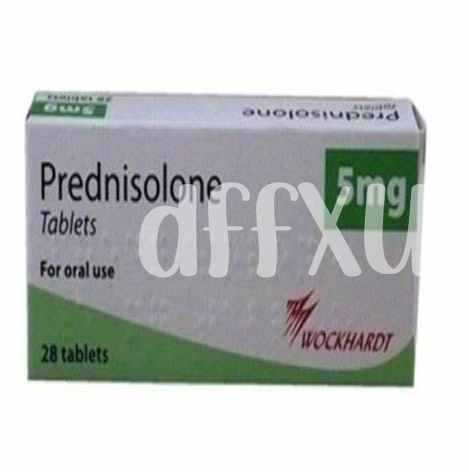
Once administered, prednisolone is absorbed into the bloodstream more swiftly because it's already in active form, bypassing the liver. Prednisone, however, undergoes conversion in the liver to become prednisolone, which means individuals with liver impairments might process it less efficiently. This conversion step is critical as prednisone is inactive until metabolized.
In the body, prednisolone travels through the bloodstream, exerting its influence on inflammation by modifying the immune response. These drugs bind to glucocorticoid receptors, impacting various cells. The body's ability to smoothly transform prednisone into prednisolone ensures its therapeutic effects are on par when used correctly.
Both medications require careful attention to dosages to avoid systemic imbalances and maximize effectiveness. The conversion process and metabolic differences highlight why it's crucial for prescribing physicians to consider individual patient health histories meticulously.
Comparing the Common Uses and Applications
Prednisone and prednisolone, both corticosteroids, are essential in managing a variety of inflammatory and autoimmune conditions. Prednisolone is often considered for individuals with liver impairments, as it does not require activation by the liver to become effective. Prednisone, meanwhile, is frequently prescribed for conditions like asthma, arthritis, and allergic reactions due to its wide availability and efficacy. Both medications are invaluable in conditions like rheumatoid arthritis, but the choice between them often depends on specific patient requirements and metabolic factors.
Side Effects: What to Expect from Each
When discussing the side effects of prednisolone and prednisone, it's important to note that both medications belong to a class of drugs known as corticosteroids, and thereby share some common side effects. Common potential side effects include increased appetite, mood swings, and difficulty sleeping. However, prednisolone is often preferred for patients with liver conditions due to its active form, potentially reducing the strain on the liver.
Long-term use of either drug might lead to more serious effects such as weakened bones (osteoporosis), high blood pressure, and increased susceptibility to infections. It's crucial to monitor these side effects with your healthcare provider to tailor the treatment plan effectively.
Lastly, individuals may react differently to each medication, making it essential to communicate any unusual symptoms to your healthcare provider immediately. Engaging in open dialogue will help ensure your treatment plan minimizes adverse effects while effectively managing your condition.
Variations in Dosage and Administration
When it comes to the dosage and administration of prednisolone, several factors come into play, including the specific condition being treated and patient characteristics such as age and weight. Prednisolone is typically administered in a liquid form for easier adjustments, catering to both adults and children. It's crucial to follow a tapering schedule when discontinuing its use to minimize potential withdrawal effects. Regular monitoring by healthcare providers ensures that the medication is optimized to achieve therapeutic goals while minimizing risks.
| Prednisolone Dosage Information |
| Form |
Liquid |
| Adjustment |
Based on condition, age, weight |
| Discontinuation |
Tapered schedule |
Making Informed Choices with Your Healthcare Provider
Discussing your treatment options with your healthcare provider can feel overwhelming, but knowing the key differences between prednisolone and prednisone can help. Each drug has unique pharmacological attributes, and understanding these can empower you to make informed decisions. It's vital to discuss any concerns, such as side effects or preferences for medication form, with your provider, ensuring that the treatment aligns with your lifestyle and health needs.
Evaluate your options carefully by asking about the potential interactions specific to your health conditions. Both prednisolone and prednisone have distinct pathways and effects on the body, meaning what suits one person might not be ideal for another. Your provider can guide you through these considerations, helping tailor a plan that optimizes therapeutic results while minimizing risks.
Ultimately, making informed choices is about collaboration and communication. By engaging actively in the decision-making process, you become an integral part of your own healthcare journey. This partnership not only increases the likelihood of a positive outcome but also builds trust and understanding between you and your provider, ensuring your treatment plan is both effective and comfortable.
Sources:
National Center for Biotechnology Information: Glucocorticoids in Rheumatic Diseases
ScienceDirect: Prednisolone Overview