 Cleocin’s Historical Development and Medical Impact
Origins: from Discovery to Initial Use
In the early 1960s, researchers discovered lincomycin, a natural antibiotic derived from the soil bacterium Streptomyces lincolnensis. This marked the initial step towards developing Cleocin, also known as clindamycin. It demonstrated an ability to combat resistant strains, standing out for its effectiveness against anaerobic bacteria. With these promising characteristics, Cleocin quickly advanced to clinical use, filling a critical niche in treating severe bacterial infections.
| Year |
Event |
| 1960s |
Discovery of lincomycin |
| 1970 |
Introduction of Cleocin (clindamycin) |
By 1970, Cleocin received approval for medical use, transforming antibiotic treatments. It proved crucial for patients allergic to penicillin, underscoring its versatility and importance.
Rise in Popularity: Game-changer in Antibiotics
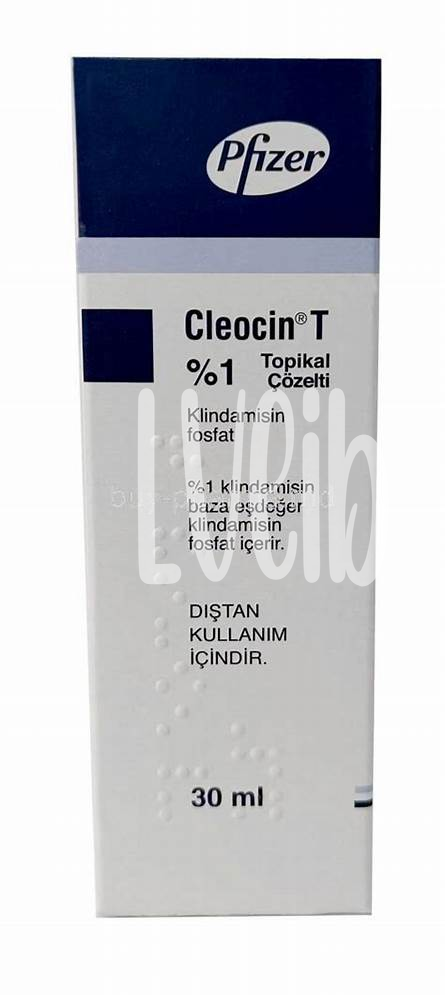
As the medical community sought more effective solutions against resistant bacterial strains, cleocin emerged as a pivotal development. Initially utilized for treating soft tissue infections and anaerobic pathogens, its efficacy soon grabbed the attention of healthcare professionals. With its unique ability to combat a wide range of bacteria, cleocin rapidly gained popularity, proving indispensable in both hospital and outpatient settings. Its advantages over existing medications were clear: cleocin reduced the need for surgical interventions by effectively targeting severe infections that once required invasive procedures.
By the late 20th century, cleocin had firmly established itself in the arsenal of life-saving antibiotics. Its role extended beyond routine treatments, playing crucial parts in managing life-threatening infections, such as toxic shock syndrome and severe streptococcal infections. The antibiotic's rise was driven by its versatility and potent action, cementing its status as a game-changer in modern medicine.
Significant Medical Applications and Breakthroughs
Cleocin, also known for its active ingredient clindamycin, has played a pivotal role in the treatment of bacterial infections by targeting anaerobic bacteria. Its introduction marked a new era in managing various infections, particularly those resistant to other antibiotics. One of Cleocin's most notable contributions is its efficacy in treating severe cases of skin and soft tissue infections, demonstrating its strength where other antibiotics fall short.
Cleocin’s reliability in dental practice, especially against streptococcal infections, highlights its versatility. Furthermore, it has been instrumental in tackling pelvic inflammatory disease and severe intra-abdominal infections, carving its place as a cornerstone in challenging infectious scenarios.
The historical impact of Cleocin becomes even more evident when considering its role in curbing life-threatening conditions like toxic shock syndrome, proving invaluable in the domain of infectious diseases. Moreover, Cleocin's expanding applications in surgical prophylaxis have highlighted its preventive potential, significantly reducing postoperative infection risks.
Cleocin’s breakthroughs extend to its use in combating resistant strains, marking its significance in modern healthcare. These advancements have fortified its reputation, driving ongoing research into the development of new formulations, aiming to broader its protective reach and maximize patient outcomes.
Controversies and Challenges Throughout History

Over the years, Cleocin has navigated various challenges, significantly shaping its journey in the medical field. Initially hailed for its potent effects against bacterial infections, Cleocin faced backlash due to concerns over antibiotic resistance. Health professionals voiced apprehensions about over-prescription and the associated rise in resistant bacterial strains. Furthermore, adverse side effects such as gastrointestinal issues complicated its widespread use. Despite these hurdles, refinements in its application and dosage have preserved Cleocin's status as a vital antibiotic tool, maintaining its essential role in combating infections.
Innovations and Advances in Cleocin Formulations
Over the years, Cleocin has seen remarkable transformations in its formulations, creating ripples of change in the pharmacological landscape. Scientists have refined delivery mechanisms, introducing oral capsules and topical solutions that enhance patient compliance while ensuring effective treatment outcomes. The intravenous formulation of Cleocin proved indispensable in hospital settings, catering to severe infections with precision. Recent advancements in extended-release formulations are setting the stage for reduced dosing frequencies, thereby boosting treatment adherence. This continuous evolution caters not just to the convenience of patients, but also targets efficacy and safety. These innovations collectively mark a significant leap in the way Cleocin is utilized in modern medicine.
| Cleocin Formulations |
Advancements |
| Delivery Mechanisms |
Enhanced compliance with oral and topical solutions |
| Intravenous Use |
Crucial in treating severe infections |
| Extended-Release |
Reduced dosing frequencies |
Future Directions and Potential Developments
As the medical community continues to evolve, Cleocin stands poised for further innovations that might enhance its efficacy and application. Researchers are exploring new delivery methods, such as localized drug delivery systems, which could focus treatment on the infection site, minimizing side effects and optimizing results. Moreover, there's significant potential in genetic advances that could tailor Cleocin treatments to individual microbiomes, thereby boosting effectiveness and minimizing resistance issues.
Cleocin's trajectory is also affected by global health initiatives aiming to confront antibiotic resistance. These initiatives may shed light on improving Cleocin's formulations, enabling it to remain a formidable ally in combating bacterial infections.
Source 1
Source 2