 Clindamycin Resistance: Understanding Bacterial Adaptation
How Clindamycin Works and Why It Fails
A trusted antibiotic often acts like a precision tool, binding bacterial ribosomes to block protein assembly and slow infections. Patients and clinicians sense swift benefits.
But bacteria adapt: target modifications, enzyme production, and efflux or permeability changes blunt action, turning initial success into relapse and diagnostic uncertainty.
Understanding failure requires molecular tests and stewardship to guide therapy, preserve options, and anticipate resistance.
| Mechanism | Consequence Summary |
|---|
| erm genes | rRNA methylation |
| point mutations | binding change |
| efflux pumps | lower intracellular |
| enzymatic cleavage | drug inactivation observed |
| porin loss | decreased uptake |
| mobile elements | horizontal transfer |
Common Bacterial Mechanisms Driving Resistance Emergence
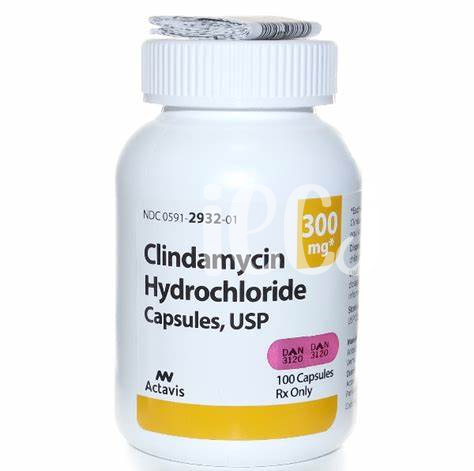
Bacteria evolve rapidly; tiny survival advantages can snowball into clinical threats. Survival hinges on tiny genetic shifts.
Efflux pumps, target modification and enzymatic inactivation explain why clindamycin can lose potency. Enzymes such as methylases or esterases render drugs ineffective.
Horizontal gene transfer and mobile elements spread resistance between strains and species, accelerating adaptation. Mutational hotspots can yield high-level resistance within weeks.
Selective pressure from misuse and biofilm-associated persistence create refuges where resistant mutants thrive, complicating diagnostics and therapy. Addressing social and prescribing behaviors remains essential to slow emergence globally now.
Genetic Changes: Mutations, Gene Transfer, and Mobile Elements
Bacteria adapt like storytellers rewriting scripts, and tiny sequence changes can blunt clindamycin’s edge. These edits accumulate under selection, reshaping survival.
Point mutations in ribosomal targets or regulatory genes alter drug binding and expression levels, shifting susceptibility. Sometimes mutations bring fitness costs later compensated.
Horizontal gene transfer spreads resistance cassettes between strains via plasmids, transposons and integrative elements, creating rapid outbreaks. Ecological niches often favor promiscuous transfer.
Tracking these mobile elements with sequencing and stewardship-aware prescribing helps clinicians anticipate clindamycin failures and contain spread. Surveillance links genomics to public action.
Clinical Impact: Treatment Failures and Diagnostic Challenges
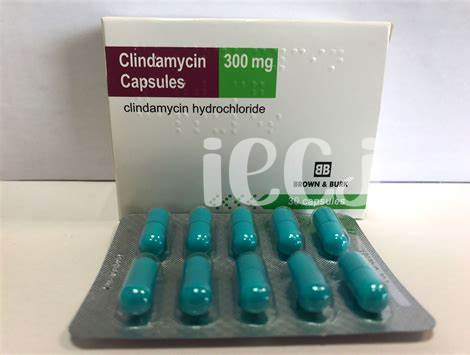
A young patient returned with a worsening wound after a week of clindamycin, expected recovery nowhere in sight. Clinicians faced a puzzle: standard therapy had failed, and the infection’s subtle signs masked the escalating resistance until cultures clarified the cause.
Laboratory testing can mislead: inducible resistance or mixed bacterial populations produce false-susceptible reports, and D-test omission compounds serious errors. Delays in susceptibility results force empiric switches that risk toxicity or inefficacy, while infection control measures lag behind emerging resistance patterns.
Consequences include prolonged hospitalization, increased morbidity, and higher costs, urging rapid diagnostics, routine inducible-resistance testing, and antimicrobial stewardship. Tailored therapy guided by timely lab data reduces failures and preserves options for effective agents across settings.
Strategies to Prevent Resistance Spread in Practice
Clinicians can feel like stewards of a fragile ecosystem when prescribing antibiotics; a single clindamycin course can select for resistant strains. Rigorous diagnostic testing, narrow-spectrum choices, and precise dosing are practical habits that protect patients and communities. Educating patients about adherence and avoiding unnecessary prescriptions turns each encounter into an opportunity to slow adaptation.
Hospital protocols—stewardship committees, surveillance cultures, and rapid susceptibility reporting—help detect emergent resistance early. Infection control measures like hand hygiene, isolation when needed, and environmental cleaning limit transmission. Combined with antimicrobial stewardship, policy changes and clinician feedback loops create a resilient response that preserves clindamycin efficacy and safeguards future treatment options. Regular audit and timely education consistently sustain these practices over time.
| Action | Purpose |
|---|
| Targeted therapy | Minimize selection pressure |
| Surveillance | Detect resistance early |
Future Directions: Novel Therapies and Stewardship Innovations
Imagine an arsenal that outsmarts bacterial cunning: engineered bacteriophages, CRISPR-guided antimicrobials, and designer antimicrobial peptides that selectively dismantle resistant strains while sparing commensals. Adjunctive therapies—molecular adjuvants that neutralize resistance enzymes, microbiome restoration using live biotherapeutics, and rapid-sequencing–guided narrow-spectrum agents—are now moving from lab bench to bedside. Combined approaches that pair pathogen-specific killers with immune-modulators aim to restore treatment efficacy and slow resistance evolution.
Equally crucial are stewardship innovations that translate science into smarter use: point-of-care molecular diagnostics, integrated genomic surveillance, and AI-driven decision-support that guide targeted prescribing and optimal dosing. Hospital stewardship teams, community education, and incentive structures for appropriate prescribing create culture change. Global data sharing and rapid feedback loops let clinicians adapt to emerging resistance in real time. Together, these tools reduce unnecessary exposure, preserve drug lifespans, align public health with personalized care, and sustain therapeutic options globally.