 Clonidine Off-label Uses: Sleep, Anxiety, and Withdrawal
How Clonidine Soothes the Nervous System: Clear Mechanism
Imagine the nervous system as an overexcited orchestra; clonidine acts like a skilled conductor, reducing excessive sympathetic noise and restoring tempo.
Pharmacologically it stimulates central alpha-2 adrenergic receptors, lowering norepinephrine release and decreasing sympathetic outflow from the brainstem.
That calms arousal networks—especially the locus coeruleus—reducing hypervigilance, heart rate, and blood pressure, which links to improved sleep and anxiety relief.
Clinically the effect is dose dependent and rapid, but sedation, rebound hypertension, or dry mouth can accompany benefit; monitoring and gradual titration matter. Onset can be quick, typically within several hours.
Clonidine for Sleep: Surprising Evidence, Benefits, Limits
Many clinicians reach for clonidine when insomnia ties to hyperarousal or sympathetic overdrive. Originally an antihypertensive, it modulates norepinephrine release and promotes slow-wave sleep in some studies. Patients often report quicker sleep onset and reduced nighttime awakenings, especially when hyperactivity or withdrawal states contribute to poor sleep patterns.
Evidence is mixed: small randomized trials and case series suggest benefit for children with ADHD-related insomnia and adults after opioid withdrawal, but large-scale, high-quality sleep trials are lacking. Side-effect profiles and heterogeneous methodologies limit certainty, so clinicians must weigh individual risk versus modest, situational gains and patient preference.
In practice, low nighttime doses (often 0.05–0.2 mg) can be trialed with monitoring for hypotension, bradycardia, and daytime sedation; abrupt cessation risks rebound hypertension. Shared decision-making, clear stop criteria, and sleep-hygiene measures maximize benefit while minimizing potential harms. Consider comorbidities and schedule tailored follow-up.
Can Clonidine Calm Anxiety? Practical Clinical Review
In clinic I've watched hyperarousal ease when low dose clonidine blunts sympathetic surges; patients report quieter minds and reduced panic spikes when insomnia and adrenergic symptoms dominate.
Evidence is modest: small trials and case series suggest benefit for acute panic, performance anxiety, and hyperarousal, often as adjunct to therapy or SSRI. Effects appear within days at low doses.
Clinicians must monitor blood pressure and heart rate, counsel about sedation and dry mouth, and avoid abrupt cessation to prevent rebound symptoms. Tailor dose to comorbidities and drug interactions with informed consent.
Managing Withdrawal with Clonidine: Opioids, Alcohol, Benzodiazepines
A patient arrives trembling; clonidine eases the sympathetic surge by reducing noradrenergic outflow. In opioid withdrawal it often relieves sweating, tachycardia and agitation, serving as a useful adjunct to comfort patients and reduce acute autonomic distress during detox without causing excessive sedation in many.
Alcohol and benzodiazepine withdrawal respond variably; clonidine can lower blood pressure and anxiety but does not prevent seizures or delirium tremens. It should be used with benzodiazepines or specific protocols when indicated, with careful monitoring for hypotension, bradycardia, and rebound symptoms and individualized dosing, reassessed regularly.
Dosing Strategies, Formulations, and Timing for Success
Clinicians often begin low and go slow, listening to each patient's rhythm and response. For clonidine, small nightly doses can nudge sleep onset without daytime sedation, while divided schedules help with anxiety spikes. Titration should prioritize symptom relief and blood pressure monitoring.
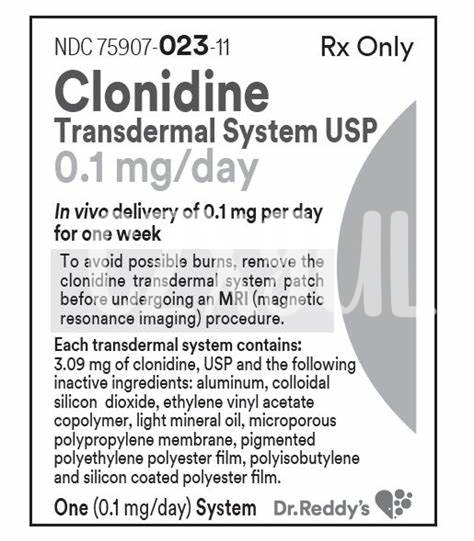
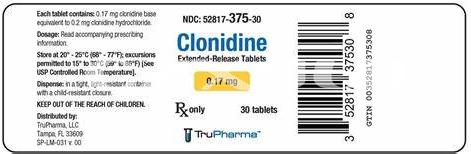
Extended release forms smooth plasma levels and may reduce morning rebound; immediate release allows rapid dose adjustments. Combining formulations is uncommon but occasionally useful in transition. Route matters too, with transdermal patches offering steady delivery over days.
Timing relative to stimulants, alcohol, or antihypertensives affects both efficacy and safety, so counseling is vital. Practical plans pair modest targets, written instructions, and follow up vitals to find the minimal effective dose and patient input.
| Formulation | Typical Use |
|---|
| Immediate release | Rapid titration |
| Extended release | Steady overnight control |
| Transdermal patch | Multi-day steady delivery |
Safety Pitfalls: Side Effects, Interactions, and Monitoring
Imagine a calming switch that can also slow the heart and lower blood pressure; that’s clonidine’s trade-off. Common effects include drowsiness, dry mouth, constipation, and orthostatic hypotension, and sudden stopping can cause rebound hypertension and anxiety. Elderly patients and those with cardiac disease are especially vulnerable, so start low and titrate slowly.
Clonidine interacts with other antihypertensives, CNS depressants, and drugs affecting heart rate; combining with benzodiazepines or opioids increases sedation and respiratory risk. Monitor blood pressure, heart rate, mental status, and hydration, and educate patients about signs of hypotension and withdrawal. Regular review of concomitant medications and renal function helps prevent complications. Use ambulatory blood pressure monitoring for high-risk or symptomatic patients when possible.