 Finasteride Vs. Alternatives: Which Is Right?
How Finasteride Works Science Behind Hair Preservation
I learned why a tiny tablet mattered when a friend explained that hair loss is less about age and more about a hormone tug-of-war. Finasteride shifts that balance by targeting the enzyme behind DHT production.
Specifically, it inhibits 5-alpha-reductase type II, lowering scalp DHT levels. DHT normally binds follicle receptors and causes miniaturization; reducing it slows shrinkage, preserves follicle structure, and can allow thicker hair to return over time gradually.
Effects aren't instant: noticeable change often requires three to six months, and maximal benefit may take a year. Continued daily use is essential; stopping typically reverses gains as DHT returns and miniaturization resumes over months.
Because it alters a hormonal pathway, some experience sexual or mood side effects, though many tolerate it well. Discuss risks with a clinician, weigh benefits against potential adverse effects, and monitor progress and safety regularly.
| Aspect | Notes |
|---|
| Target | 5α-reductase type II enzyme |
| Primary effect | Reduces scalp DHT, slows follicle miniaturization |
| Timeline | Noticeable change: 3–6 months; maximal: ~12 months |
Common Side Effects and Long Term Safety Concerns
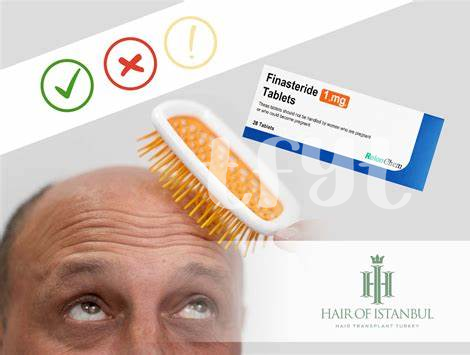
When I first began researching hair loss treatments, I was struck by the balance between promise and caution. Finasteride often shows measurable benefits — slowed shedding and sometimes regrowth — but users report sexual side effects, mood changes, and rarely persistent symptoms. Most men experience no serious problems, yet informed consent and monitoring matter: baseline assessment, follow up, and communication with a clinician reduce surprises.
Long term safety data is mixed but generally reassuring for low dose use; concerns linger about fertility, long term hormonal shifts, and rare mood or cognitive effects. Weighing risks against benefits hinges on age, family planning, and personal tolerance for side effects. Regular re evaluation with your healthcare team guides ongoing choices.
Top Alternatives Minoxidil Dutasteride and Natural Options
I remember weighing options at my kitchen table, imagining thicker hair. Clinical medications promise measurable change, while gentler approaches appeal for lower-risk routines and daily ease and realistic expectations indeed.
finasteride often leads discussions, reducing hormonal hair loss; others apply topical solutions like minoxidil or consider dutasteride under supervision, balancing potency with side-effect profiles and monitoring improves long-term outcomes too.
Natural strategies, nutrition, stress reduction and targeted supplements rarely match pharmaceuticals but support scalp health. Decide by goals, tolerance for risk, budget, and readiness for months-long commitments and realistic timelines.
Comparing Effectiveness Real World Results and Studies

Real-world users report varied responses; clinical trials show finasteride stabilizes hair loss for many, often within months.
Minoxidil outcomes are complementary, with topical gains that differ from oral DHT blockers. Combination therapy frequently outperforms monotherapy.
Dutasteride studies suggest higher DHT suppression and sometimes stronger regrowth, but fewer long-term comparative trials exist. Side effect profiles matter.
Choosing depends on goals, tolerance, and evidence: follow-up photos, dermatologist assessment, and patience reveal which option works. Weigh costs, accessibility, monitoring needs and lifestyle to reach an informed, sustainable treatment choice for long term success.
Cost Accessibility and Practical Considerations for Use
Budget shapes choices: for many, low monthly cost and insurance coverage decide whether finasteride or an alternative becomes practical. Generic finasteride often runs cheap, but brand-name drugs, compounded options and clinic visits for injections or prescriptions raise expenses. Consider ongoing costs, not just one-time purchases.
Accessibility matters: telemedicine and online pharmacies lower barriers, but legitimate prescriptions and quality control vary. Over-the-counter minoxidil is easy to obtain; alternatives like dutasteride may be harder to access or off-label. Factor in shipping, customs, and local regulations when choosing a long-term regimen.
Practical use includes adherence, side-effect monitoring, and convenience: daily pills versus nightly topical application affect consistency. Discuss expectations with a clinician about monitoring labs and fertility concerns tied to finasteride. If cost or side effects arise, plan an exit strategy and alternative therapies to minimize downtime and disappointment. Review annually with clinician.
| Option | Approx. monthly cost |
|---|
| Generic finasteride | $5–$20 |
| Minoxidil (OTC) | $10–$30 |
| Dutasteride/clinic | $20–$100+ |
Personalized Decision Making Choosing What Fits You
Imagine your ideal outcome: set clear goals, timeline, budget and acceptable risk, plus commitment to follow-up testing with your clinician or pharmacist.
Weigh side effects, drug interactions and fertility concerns against convenience: short daily routines, topical applications, or periodic clinic treatments, and lifestyle fit too.
Use evidence and personal history to choose: consider a timed trial, monitor photos and measurements, and reassess response objectively within six months.
Talk frankly with a clinician about goals and concerns; prioritize quality of life, get specialist referrals when needed, and make informed, tailored choice.