 Electrolyte Balance When Using Furosemide
How Furosemide Disrupts Your Electrolyte Balance
Taking a powerful loop diuretic can feel like instant relief as water leaves the body, but the same action also strips key minerals. By blocking ion transport in the kidney’s thick ascending limb, it causes sodium, potassium, chloride and magnesium losses and increases calcium excretion.
These shifts may produce weakness, cramps, irregular heartbeat, low blood pressure and confusion, especially when paired with dehydration or medication interactions. Lab surveillance, electrolyte replacement and cautious dosing usually prevent harm, but vigilance is essential to avoid dangerous imbalances that can escalate quickly and severely.
| Electrolyte | Typical Change |
|---|
| Potassium (K+) | Decreased (risk of hypokalemia) |
| Magnesium (Mg2+) | Decreased |
| Calcium (Ca2+) | Increased excretion |
| Sodium (Na+) | Decreased with volume loss |
Common Electrolyte Changes to Expect on Furosemide
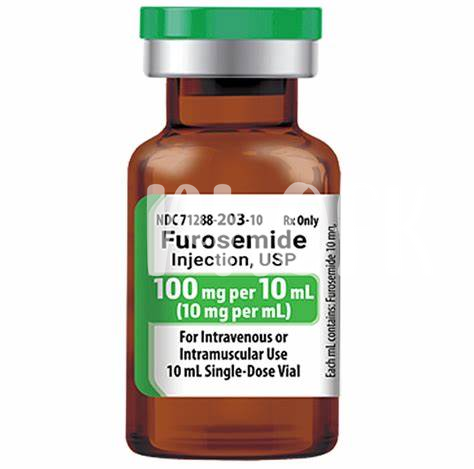
Taking furosemide often feels like pruning excess fluid, but it routinely drains key electrolytes. Potassium and magnesium commonly fall, increasing muscle cramps and arrhythmia risk. Sodium can also drop, causing weakness or confusion. Calcium may shift, and chloride losses often accompany a metabolic alkalosis picture.
Clinicians track serum potassium, magnesium, sodium, and bicarbonate to spot trends in time. Mild deficits are common and manageable with diet or supplements, but sustained drops require dose changes. Pay attention to palpitations, severe weakness, or dizziness—signals that labs and treatment must be reassessed urgently.
Recognizing Symptoms of Dangerous Electrolyte Disturbances
After a week on furosemide, Anna noticed persistent muscle cramps and a fluttering heart that felt different from anxiety; these subtle cues often signal low potassium or magnesium. Lightheadedness, excessive thirst, and reduced urine output may seem contradictory, yet they can reflect sodium and volume shifts. Noting symptom timing with doses and weight changes gives clinicians clues to correct deficits before arrhythmias or seizures occur that threaten heart and brain.
Severe hyponatremia shows confusion, nausea, and stumbling; hyperkalemia produces weakness and palpitations. Monitor pulse, breathing, and mental status at home and report rapid changes. Lab values provide confirmation, but immediate red flags — fainting, chest pain, sudden shortness of breath, or tonic-clonic movements — require emergency evaluation. Share medication list including diuretics like furosemide with providers, and avoid self-adjusting doses when warning signs emerge and seek help immediately if worsening.
Monitoring Schedule for Lab Tests and Vitals
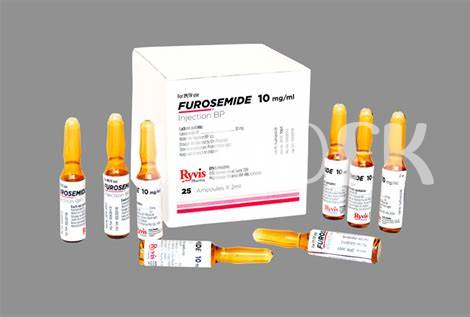
Starting furosemide felt like learning a new routine; I began daily weight checks and recorded blood pressure and pulse each morning to detect fluid shifts early. Include orthostatic checks after standing up and document results.
Baseline blood work—including sodium, potassium, magnesium, and creatinine—should be done before starting and repeated within a week after dose changes, then every one to three months if levels are stable.
Keep a symptom log and contact your clinician promptly for dizziness, muscle cramps, palpitations, or abnormal labs so doses can be adjusted before complications arise.
Diet, Supplements, and Lifestyle to Maintain Balance
When I started furosemide, changes like adding a banana or checking my water made a difference. Pairing potassium-rich foods (bananas, spinach, potatoes) with modest sodium intake helps prevent drops; meanwhile, magnesium from nuts and whole grains supports muscle and heart rhythm. Avoiding excessive caffeine and alcohol reduces dehydrating effects, and spacing diuretic doses with meals can lessen stomach upset.
Supplements can help but consult your clinician — too much potassium or magnesium can be risky, especially with kidney issues. Regularly weighing yourself, tracking blood pressure, and noting muscle cramps or dizziness allows early intervention. A pharmacist can review interactions, and a dietitian can craft a meal plan that balances electrolyte needs while keeping daily life practical.
When to Seek Urgent Medical Attention for Imbalances
A sudden fluttering heartbeat, fainting, severe muscle cramps, or intense confusion are signs you shouldn't ignore. If nausea and vomiting or little to no urine accompany dizziness, your body may be dangerously low in potassium or sodium. Think of these changes as red flags: rapid weight loss, swelling that worsens, or chest pain require evaluation.
Call emergency services or go to the nearest emergency department when these symptoms appear, especially if you take high doses of loop diuretics, combine them with other medications, or have kidney disease. If possible, bring a current medication list and recent lab results. For less severe concerns—persistent fatigue, mild cramps, or palpitations—contact your prescribing clinician promptly for testing and medication review. Do not resume or change doses on your own; temporary adjustments require professional guidance. Contact your clinician today. MedlinePlus Furosemide NLM DrugPortal