 Imodium Vs. Natural Remedies: Which Works Better?
How Imodium Works: Fast Relief Mechanism Explained
A rushed clinic visit can turn urgent diarrhea into a teachable moment. I describe how a targeted agent slows gut contractions, letting fluids absorb and stools firm up. Patients often ask if it's a simple OTC fix or needs an Rx. The fast onset feels almost miraculous, easing anxiety as cramps fade.
Mechanism is swift: receptors in the gut reduce secretion and movement.
Relief often occurs within hours; duration varies by dose and cause.
Counsel includes hydration, watch for fever, and avoid narcotics without medical oversight.
| Onset | Effect |
|---|
| Minutes | Firming |
Popular Natural Remedies: Herbs, Probiotics, and Foods

When stomach cramps hit during travel, people often turn to gentler options: ginger tea, chamomile, soluble fiber and probiotic yogurt can soothe the gut while restoring balance. These remedies work gradually, feeding beneficial bacteria and easing inflammation, and can be used alongside imodium for quick control or as standalone care.
Begin with diet tweaks: BRAT foods, hydration, and small frequent meals. If symptoms persist, consider probiotics or herbal Elixir, but check labels—many supplements are OTC and vary in strength. Consult a clinician when fever, blood, or severe dehydration appears promptly.
Efficacy Comparison: Speed, Duration, and Symptom Control
A traveler reaching for imodium often gets rapid easing of diarrhea, the short-term relief that restores confidence before a meeting or flight.
Natural remedies like herbal teas, probiotics, and binding foods tend to act more slowly, focusing on microbiome balance and hydration rather than immediate motility suppression.
Studies suggest medication provides faster onset and more predictable duration, while natural options vary by individual, sometimes reducing recurrence but usually needing days of consistent use.
Consider safety and symptom control: imodium is effective for acute episodes but can cause constipation and mask serious disease; gentler choices may have fewer side effects. For cost consider OTC or Generics; seek medical advice when fevers, blood, or prolonged symptoms occur.
Safety Profiles: Side Effects, Interactions, Long Term Risks
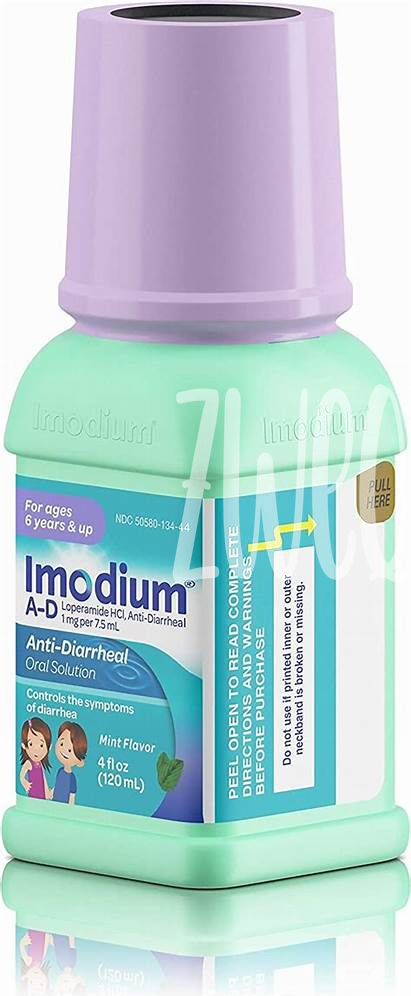
A quick pill can feel like salvation: I remember reaching for imodium during a frantic trip. Medications like OTC options act fast, but the story isn't that simple.
Imodium can cause constipation, dizziness, or interactions with other drugs; combining it with certain supplements or an Rx antidepressant raises caution. Herbs and probiotics are gentler but vary in potency and regulation.
Long-term use can alter gut flora and mask underlying conditions; discuss risks with your clinician. Practical checks—dose, duration, and a pharmacist's Med Rec—help keep treatment safe and sensible over time.
When to Choose Medication Versus Natural Alternatives
When diarrhea hits mid-commute or meeting, choices matter. Imodium often stops urgency fast, restoring calm and embarrassment quickly.
Natural approaches such as hydration, BRAT diet, probiotics and tea soothe many mild cases within days while supporting recovery; avoid antibiotics unless prescribed.
Choose imodium or another OTC when diarrhea is severe, you risk dehydration, or immediate control is needed for travel or work commitments.
For mild, recent symptoms try natural care first; consult your clinician or request a Script if symptoms persist, worsen, or bleeding occurs, or if you are immunocompromised.
Practical Tips: Combining Approaches and Self Care Strategies
When a sudden bout of stomach upset derails your plans, start with simple self-care: sip clear fluids, replace electrolytes, and eat bland BRAT-style foods. Use an OTC antidiarrheal for fast control if symptoms are intense, and consider a probiotic to support recovery over days rather than hours. Gentle fiber and ginger can reduce cramping and nausea, while avoiding fried or dairy foods prevents rebound irritation.
Treat short-term distress stat, but watch for fever, bloody stools, or dehydration that need medical review. If symptoms persist beyond 48–72 hours seek prescription or professional advice promptly; discuss drug interactions and the option of generics to lower cost. Combining medication, targeted herbs, hydration, and rest usually resolves most episodes, and keeping a symptom diary helps you and your clinician fine-tune future care. Also avoid alcohol, excessive caffeine, and heavy exercise until symptoms resolve completely.