 Keflex Dosage Demystified: Adult and Pediatric Guidelines
Keflex Basics: How It Works Against Infections
Cephalexin is a first‑generation cephalosporin that tells bacteria to stop building the protective wall they need to survive. By binding penicillin‑binding proteins it weakens cell walls, causing bactericidal lysis in actively dividing microbes. Clinically this translates into reliable activity against many gram‑positive organisms and selected gram‑negative strains, making it a common oral choice for skin, respiratory and urinary infections.
It acts in a time‑dependent manner, so consistent dosing maintains effective levels; absorption is good orally and dosing is usually multiple times daily. Resistance via beta‑lactamases and true penicillin allergy can limit use, so clinicians choose alternatives when needed. Symptom relief often appears usually within 48–72 hours as the immune system rapidly clears the weakened bacteria.
| Feature | Quick note |
| Mechanism | Beta‑lactam; inhibits cell wall synthesis (bactericidal) |
| Common uses | Skin infections, pharyngitis, uncomplicated UTIs |
Adult Dosing Strategies: Typical Regimens and Ranges

When treating common infections, adults usually take keflex in straightforward schedules that balance convenience with steady blood levels. Common regimens are 250 mg every six hours or 500 mg every twelve hours, chosen by clinicians.
For more severe skin or respiratory infections, clinicians often use 500 mg every six hours or 1 g every twelve hours; total daily dosing stays under 4 grams, although individual needs and susceptibilities guide adjustments.
Duration varies by infection: uncomplicated urinary tract infections resolve with five to seven days, skin and soft tissue infections require five to ten days, while streptococcal pharyngitis may need a full ten-day course for eradication.
Patients with renal impairment, obesity, or severe infections may need individualized regimens; dose reductions or extended intervals are common. Always follow prescriber's plan, check local resistance patterns, and report any side effects when taking keflex.
Pediatric Dosing Demystified: Weight-based Calculations Explained
A worried parent clutching a medicine dropper is a familiar scene; dosing should be precise, not panicked. For children, antibiotics are prescribed by weight to ensure effectiveness and safety. Using mg per kg rules translates adult doses into personalized pediatric care.
keflex (cephalexin) commonly uses 25–50 mg/kg/day divided every 8 or 12 hours depending on infection severity; severe infections may reach 75–100 mg/kg/day in divided doses. To calculate, multiply the child’s weight in kilograms by the chosen mg/kg dose, then split across doses. For example, a 12 kg child at 50 mg/kg/day needs 600 mg daily, often given as 200 mg three times daily.
Round to the nearest measurable volume, use an oral syringe, and confirm local guidelines. Adjust for renal impairment and always complete the course; call a clinician for adverse reactions or dosing questions or unexpected concerns promptly.
Renal Adjustments: When and How to Reduce
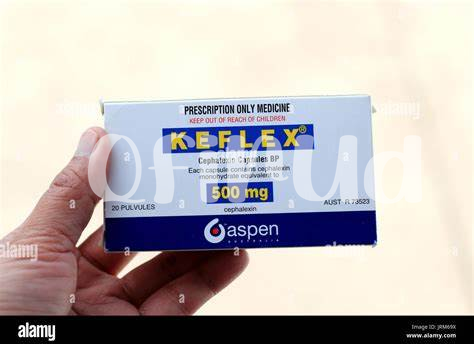
In patients with impaired kidney function, keflex’s reliance on renal excretion means dose modification is often necessary. Start by assessing baseline creatinine and estimating creatinine clearance or eGFR; adjustments become relevant as clearance declines. Strategies include reducing the total daily dose or lengthening dosing intervals to lower accumulation risk. The choice depends on impairment severity, infection severity, and alternative agents. Milder impairment may require only modest reduction, whereas advanced failure demands more conservative measures.
For patients on hemodialysis or with advanced chronic kidney disease, coordinate timing carefully—administer after dialysis when appropriate and consider supplemental dosing only under specialist guidance. Monitor clinical response and renal function during therapy; when in doubt consult infectious disease or pharmacy for individualized regimens. Conservative modifications and close follow-up reduce toxicity while preserving efficacy. Document adjustments clearly and educate patients about signs of toxicity and effectiveness.
Practical Tips: Administration, Missed Doses, Food Effects
Take keflex exactly as prescribed: capsules with a glass of water, and suspensions shaken and measured with the supplied spoon. Finish the full course even if symptoms improve, to prevent resistance and relapse.
If you miss a dose, take it as soon as you remember; don’t double doses. Food can reduce stomach upset, so taking keflex with meals helps adherence without reducing effectiveness.
| Form | Tip |
| Capsule | swallow |
| Suspension | shake |
Store suspension refrigerated and discard after recommended days. Use an oral syringe for accuracy. If severe diarrhea or allergic signs occur, stop and seek care; interactions are uncommon but tell providers you take keflex. Keep doses evenly spaced.
Safety, Side Effects, Interactions and Allergy Considerations
Keflex commonly causes mild gastrointestinal upset, nausea or diarrhea; most symptoms resolve after finishing therapy. Rarely, severe allergic reactions or Clostridioides difficile colitis require urgent evaluation by a clinician immediately.
Drug interactions are limited; probenecid raises levels while nephrotoxic agents warrant caution. Inform providers about current medications and supplements so dosing or monitoring can be adjusted appropriately during therapy period.
Those with immediate β-lactam hypersensitivity should avoid this antibiotic; anyone developing rash, facial swelling, or breathing difficulty must stop and seek care. Pregnant, breastfeeding patients should discuss risks with clinicians.