 Lasix Interactions: Medicines and Foods to Avoid
Dangerous Drug Interactions That Raise Potassium Imbalance Risk
You might picture a simple pill bottle, but interactions can suddenly tip potassium into dangerous territory. ACE inhibitors, ARBs and potassium-sparing diuretics paired with furosemide can paradoxically raise serum potassium if kidney function declines. NSAIDs, trimethoprim and heparin also interfere with renal handling of potassium, so clinicians often monitor levels closely and adjust doses fast.
Know Teh signs: weakness, tingling, palpitations, and ask your provider for labs when starting or stopping medicines. Avoid adding OTC potassium or salt substitutes without guidance. Communication, medication lists and timely blood tests can prevent life-threatening swings; involve pharmacists for drug reconciliation and insist on clear follow-up plans. Regularly review all prescriptions, OTC products and herbal supplements with clinicians monthly.
Medications That Blunt Lasix Effectiveness: What to Watch
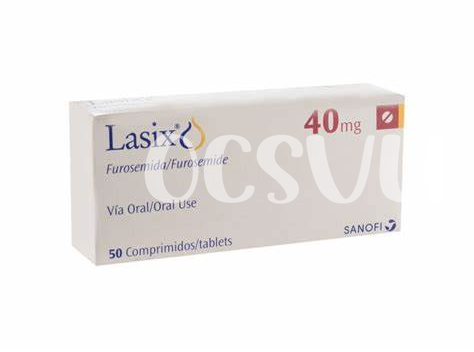
I remember a patient frustrated when swelling didn’t improve despite taking lasix; the culprit was an over-the-counter habit. NSAIDs like ibuprofen, COX‑2 inhibitors, systemic corticosteroids and diabetes drugs (thiazolidinediones) can blunt diuretic response or cause fluid retention, so watch for persistent edema and rising weight.
Teh safest approach is to review all prescriptions and OTCs with your clinician before changing. Monitor weight, blood pressure and electrolytes, mention supplements like NSAIDs or herbal remedies, and ask for a pharmacist med review to identify drugs that lessen benefit or require dose adjustments.
Otc Drugs and Supplements That Cause Problems
When I first started taking lasix, I was surprised how many harmless-seeming pills and powders could change its effect. Pain relievers like NSAIDs, some antacids, and herbal supplements can blunt diuretic action or raise risks; learning about interactions early saved me from dizzy spells and a hospital visit.
Always check labels and tell your clinician about vitamins, herbal teas or OTC cold remedies. Even products marketed as natural can alter potassium or blood pressure. Occassionally pharmacists can spot dangers, so ask questions — a chat can be a neccessary safeguard.
Foods High in Sodium and Hidden Salt Surprises
On a cold evening you might reach for canned soup or a bag of chips without thinking, but these choices pack sodium punches that can undo lasix’s work. Processed meats, frozen meals, condiments like soy sauce and salad dressings, plus restaurant fare, sneakily raise daily salt intake, leading to bloating, weight gain and higher blood pressure.
To protect therapy and feel better, read labels for milligrams of sodium per serving, choose low-sodium or no-salt-added versions and favour fresh vegetables, whole grains and home-cooked meals. Rinse canned vegetables and beans, swap salty sauces for herbs and citrus, mindful that occassionally a takeaway meal can exceed a day’s worth of salt in this enviroment of hidden sodium.
High Potassium Foods to Limit or Monitor Carefully
When you’re on lasix, potassium becomes a plot point in your own health story. A few servings of potassium-rich foods can quietly shift levels, and Occassionally that leads to cramps or dangerous highs. Think of routine snacks and smoothies as potential triggers rather than harmless treats. Even modest portions over several days can accumulate and skew lab results.
| Food | Potassium (mg/serving) |
| Banana (1 med) | 422 |
| Avocado (½ fruit) | 485 |
| Spinach (1 cup cooked) | 839 |
Practical steps help: track servings, prefer lower-potassium alternatives, and mention any salt substitutes to your clinician. Labs with potassium checks guide safe dosing. Small planning choices keep your treatment effective and predictable. If you eat a lot of these items, schedule more frequent blood tests and consider dietary counseling to fine tune intake. Plan ahead daily.
Alcohol and Caffeine: Effects on Dehydration and Blood Pressure
Teh buzz of an evening out can obscure how alcohol dehydrates and alters blood pressure, especially when you take a loop diuretic; the story often begins with subtle thirst and dizziness.
Alcohol can amplify urine loss and reduce effective blood volume, increasing kidney strain and the chance of low blood pressure or fainting if doses aren't adjusted carefully promptly.
Caffeine is milder but may transiently raise blood pressure and counteract sleep, compounding diuretic effects; monitor intake, especially from sodas and energy drinks high in caffeine and timing.
Balance fluids, avoid binge drinking, limit caffeinated beverages near dosing, weigh yourself daily, and call your provider for dizzy spells or big weight changes to keep things safe. FDA - Furosemide Label MedlinePlus - Furosemide (Lasix)