 Lioresal Dosing Myths: Separating Fact from Fiction
Myth: Higher Doses Always Mean Better Relief
Many patients assume increasing a muscle relaxant will simply erase their symptoms, but clinical experience and pharmacology tell a different story. Starting low and titrating up can find the minimal effective dose; beyond that, benefits often plateau while sedation, weakness, and dizziness increase. Personal factors — co‑medications, liver and kidney function, and tolerance — change the dose–response curve, so a higher pill count can bring risk without meaningful gain.
Shared decision making with a clinician, regular reassessment, and evidence-based guidelines reduce harm and improve outcomes. Below is a quick comparison of likely effects.
| Effect | Lower dose | Higher dose |
| Relief | Adequate | Plateau |
| Side effects | Low | High |
Always review dosing with your prescriber and monitor closely.
Tapering Truths: Why Abrupt Stops Cause Harm

When Maria stopped lioresal overnight, the relief she sought was replaced by shaking, intense muscle spasms and insomnia. Abrupt cessation can trigger withdrawal — not just discomfort but dangerous rebound spasticity, autonomic instability and, rarely, seizures. The nervous system adapts to chronic baclofen exposure; sudden removal forces it to overreact, producing symptoms that can escalate quickly and require urgent medical care.
Gradual tapering lets receptors recalibrate and reduces risk. Clinicians usually lower baclofen slowly, monitoring blood pressure, heart rate and neurological signs, adjusting pace for age, renal function and concurrent drugs. Patients should never attempt a stop without guidance; clear plans, communication and emergency instructions protect safety while preserving therapeutic gains. Tapers vary widely: some patients reduce by small increments over weeks, others need inpatient supervision if severe dependence or comorbidities exist; individualized plans optimize outcomes while minimizing complications and recovery.
Intrathecal Versus Oral: Different Dose Realities
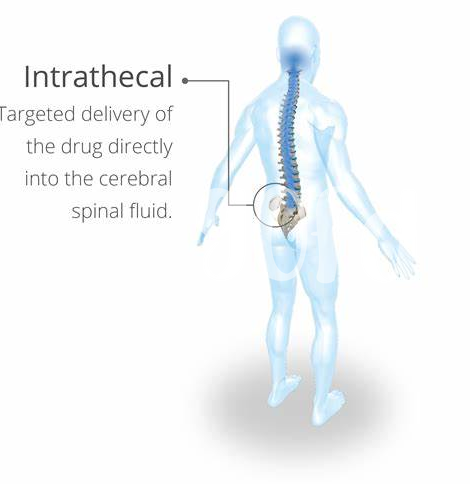
Imagine a tiny reservoir delivering medication directly to the cerebrospinal fluid; doses there are measured in micrograms and produce powerful local effects with far lower systemic exposure. Clinicians often choose that route for severe spasticity when oral therapy fails or causes too many side effects.
Oral lioresal tablets act systemically, requiring higher milligram dosages to reach therapeutic concentrations, which raises the risk of sedation, weakness, and dizziness. Adjusting oral doses is straightforward but limited by tolerability and variable absorption between patients.
Comparing the two isn't about one being universally superior but matching route to patient needs: intrathecal pumps offer precision and lower systemic burden, while oral therapy provides flexibility and noninvasive access. Shared decision-making, monitoring, and expertise guide safe, effective dosing choices. Regular follow-up permits timely dose adjustments, early complication detection, and supports better adherence, overall patient outcomes, and safety.
Age and Kidney Function Affect Dosing Significantly
A grandmother remembers her first prescription for lioresal, cautious and curious. She wondered why doses varied between doctors and across visits.
Age changes how the body handles drugs; older adults often need lower doses because clearance slows. Metabolism, body composition, and frailty influence sensitivity.
Kidney disease can trap medications, increasing toxicity risk, so clinicians check creatinine and adjust schedules. Dose adjustments lower fall risk and confusion, common in seniors.
Personalized monitoring, gradual titration, and clear communication keep therapy safe and effective for every patient. Routine lab checks help guide decisions.
Combining Medications Can Amplify Side Effects Risk
I once watched a friend take lioresal plus an opioid and suddenly struggle to focus; it was a startling lesson that combining medications can change expected effects. Small changes in timing or dose can transform a mild nuisance into a dangerous interaction.
Pharmacology explains this: drugs that depress the central nervous system or compete for metabolic pathways often produce additive sedation, respiratory depression, or elevated blood levels. Genetics, age, and kidney or liver disease further modify those risks and warrant individualized planning.
| Drug | Risk |
|---|
| Opioids | Respiratory depression |
| Benzodiazepines | Severe sedation |
Always review medication lists with your prescriber or pharmacist, report new symptoms promptly, and never assume over-the-counter products are harmless when used with lioresal. Carefully.
Evidence-based Guidelines Versus Online Dosing Advice
Imagine a clinician balancing a patient's spasticity against safety concerns: peer-reviewed trials, dosing tables, and consensus statements guide cautious increments and monitoring. These formal sources synthesize population data, renal adjustments, and adverse-event rates, offering structured starting points and titration schedules grounded in controlled evidence. They emphasize individualized assessment, documented endpoints, and follow-up—none of which a random forum thread can reliably provide.
Online anecdotes and dosage calculators often strip context, offering single-patient tales or simplified numbers without renal function, age, or concurrent-drug considerations. That can falsely normalize risky practices or delay necessary tapering plans. Patients and caregivers should treat such posts as prompts for questions, not prescriptions: bring forum examples to appointments, ask clinicians for guideline-based explanations, and rely on validated resources or pharmacists to translate population recommendations into safe, personalized regimens. Safe dosing reflects data, clinical judgment, and patient goals.