 Lipitor Myths Debunked: Separating Fact from Fiction
Lipitor Safety: Separating Risks from Reality
She read alarming headlines and worried her cholesterol pill would harm her, but real-world data tell a different story. Large trials and monitoring systems show serious adverse events are uncommon, while common complaints are usually reversible and predictable with dose adjustments and clinical follow-up care.
Physicians weigh risks against strong cardiovascular benefits for each person. Side effects are tracked, and alternatives exist for those affected. Staying informed, reporting symptoms promptly, and regular ongoing labs help maximize safety while preserving the prevention of heart attacks and strokes that statins reliably deliver.
| Risk | Reality |
|---|
| Muscle symptoms | Usually mild; serious injury rare |
| Liver enzyme rise | Monitored and often transient |
Do Statins Cause Muscle Damage? the Evidence
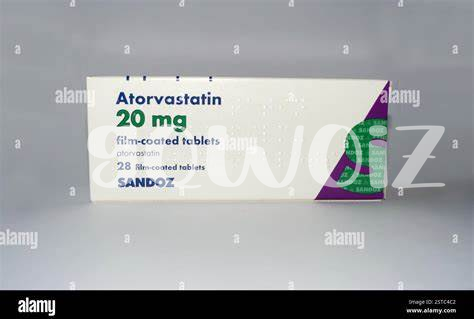
I once treated a man who feared losing strength after starting lipitor; his story echoes many headlines. Muscle aches are common, but severe muscle breakdown is rare. Large trials show true statin-related rhabdomyolysis occurs in well under 0.1% of patients, while most reported cramps reflect normal physical causes or nocebo effects. Clinicians weigh symptoms against proven cardiovascular benefit.
Mechanisms include muscle cell energy disruption and rare immune reactions, but risk rises mainly with high doses, interacting drugs, untreated hypothyroidism, or kidney disease. Simple steps—checking creatine kinase when symptoms appear, lowering dose, or switching agents—usually resolve problems without sacrificing protection.
Most patients tolerate lipitor and gain heart protection; report new weakness so treatment can be adjusted.
Cognitive Decline and Lipitor: What Studies Show
Many patients worry that taking lipitor will cloud their memory, and anecdotes of forgetfulness circulate widely. Large randomized trials and pooled analyses, however, have not shown a consistent association between statin use and long-term cognitive decline, though isolated case reports describe reversible memory complaints.
Regulators and researchers conclude that evidence is mixed but largely reassuring; short-term, rare cognitive symptoms may occur in a small minority and often resolve after stopping therapy. Clinicians should weigh cardiovascular benefits against uncertain cognitive risk, monitor patients individually, and continue research into mechanisms urgently now.
Cholesterol Numbers Versus Heart Risk: What's True
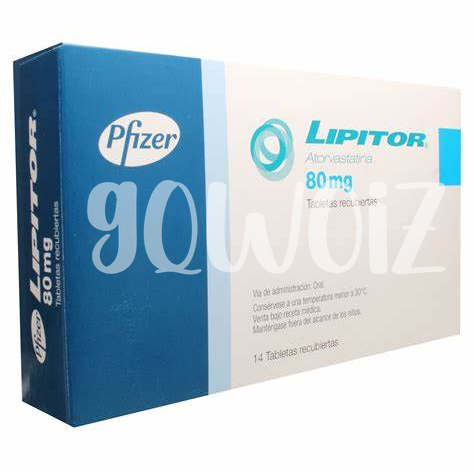
Numbers on a lab report can feel decisive, but heart risk is more than a single LDL figure. Lipitor and other statins lower LDL, yet doctors weigh age, blood pressure, smoking, diabetes and family history when assessing risk. Understanding absolute versus relative risk clarifies why treatment decisions vary.
A 50-point LDL drop may not translate to equal benefit for everyone; the baseline risk matters. Shared decision-making lets patients evaluate potential gains against side effects and personal priorities. Recent guidelines emphasize risk-based thresholds rather than fixed cholesterol targets. Lifestyle remains foundational for everyone.
Tools like pooled cohort equations estimate 10-year risk but have limits and should guide, not dictate, care. Framing cholesterol as one piece of a bigger risk puzzle leads to smarter, individualized choices. Discussing personal values and realistic outcomes makes decisions about treatment with lipitor more meaningful. Talk openly.
Stopping Statins Suddenly: Dangers and Safer Strategies
When Maria stopped her lipitor abruptly she felt relieved but unaware of the risks; sudden cessation can provoke rapid cholesterol rebound and destabilize plaque.
Studies show short-term stopping raises inflammation and doubles early post-discontinuation cardiac events in some groups, not universal but significant. Lipitor has clear benefits for many high-risk patients.
Safer strategies include consulting your clinician, tapering where appropriate, and addressing side effects with alternatives or dose adjustment rather than quitting cold turkey.
A balanced plan considers individual risk, monitors lipids and symptoms, and keeps open dialogue — stopping without guidance gambles with heart health. If you worry, ask about switching statins, checking liver and muscle markers, and lifestyle steps that reduce reliance on medication.
| Risk | Safer action |
|---|
| Cholesterol rebound | Consult clinician |
| Side effects | Taper or switch |
Who Really Benefits from Lipitor: Personalizing Treatment
Imagine a middle aged woman with diabetes and a family history of heart attacks; for her Lipitor often shifts the balance toward prevention. Clinical trials show statins reduce heart attacks and strokes most clearly in people with prior cardiovascular disease, diabetes, very high LDL, or multiple risk factors. Younger low risk individuals gain less absolute benefit, so shared decision making and baseline risk estimation guide whether to start and at what intensity.
Routine monitoring and open conversations about side effects help personalize therapy: check baseline liver tests, ask about muscle symptoms, and consider lower doses or different agents if intolerance occurs. Genetic factors and drug interactions can influence response, so pharmacists and clinicians tailor choices. Ultimately the greatest benefit comes when treatment matches an individual’s true cardiovascular risk, priorities, and willingness to adhere, turning population data into a personal plan.