 Reglan Withdrawal: Managing Symptoms and Tapering Safely
Recognizing Early Signs and Symptoms to Watch
I noticed subtle shifts when stopping Reglan: early nausea, restlessness, and light tremors that felt like a low hum under the skin.
Sleep became shallow and moods flickered between irritability and anxious moments, prompting careful tracking of timing and triggers.
Physically, appetite changes and stomach discomfort were early flags; cognitively, racing thoughts or slowed thinking warned me to slow the taper.
Note patterns, share observations with your clinician, and keep a simple log—small trends often guide safer adjustments.
| Symptom | Action Tips |
|---|
| Nausea | Hydrate, small meals now |
| Tremors | Steady routines, rest |
Creating a Personalized, Gradual Tapering Plan Safely
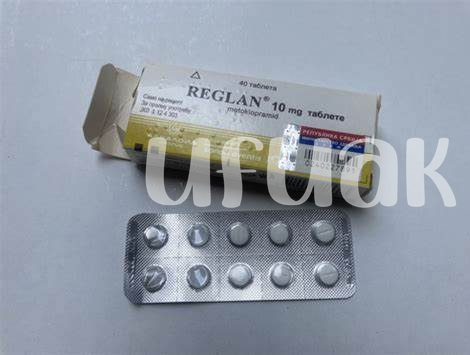
Imagine sitting with your clinician and mapping a stepwise reduction that matches your rhythm: starting with small percentage decreases every one to three weeks while tracking symptoms and sleep. Factors like dose, duration, and other medications shape how slow you go; people on higher or long-term reglan courses often need longer, gentler tapers. Clear goals, contingency steps, and close follow-up make the plan practical rather than theoretical.
Keep a daily log of mood, appetite, and tremors so adjustments can be data-driven. Coordinate support from friends or therapists, prioritize sleep hygiene and nutrition, and consider gradual adjuncts like hydration and gentle exercise. If severe withdrawal or alarming symptoms appear, contact your prescriber immediately for rapid evaluation.
Managing Physical Symptoms: Nausea, Tremors, and More
During withdrawal from reglan, physical symptoms can emerge suddenly—nausea, tremors, sweating, and muscle stiffness. Knowing what to expect reduces panic; tracking symptom timing and severity helps your clinician tailor a taper and offers clues when adjustments are needed.
For nausea, try small bland meals, ginger, hydration, and slow deep breathing; over-the-counter remedies may help but check with your prescriber. For tremors, gentle stretching, reducing caffeine, and steadying chairs and walls can improve safety and confidence.
Other common issues include headaches, rapid heartbeat, digestive upset and sleep disruption. Over-the-counter pain relief, consistent meal timing, and creating a calm bedtime routine can reduce burden while you and your doctor adjust the taper schedule.
If tremors worsen, vomiting is persistent, or you feel faint, seek immediate medical advice. Keep a symptom diary, bring it to appointments to speed accurate assessment and care today.
Addressing Anxiety, Mood Changes, and Sleep Disturbances

After stopping reglan, anxiety and sudden mood shifts can feel overwhelming; acknowledge each wave and note when symptoms peak. Share worries with a friend.
Use simple grounding exercises, deep breaths, 5-4-3-2-1 sensory checks to interrupt panic and regain a sense of control. Practice twice daily for effect.
Mood swings benefit from routine: sunlight, brief walks, and regular meals stabilize neurotransmitters and give anchors. Consider journaling to track triggers.
If sleep is fractured, try wind-down rituals, limit screens, and talk with your clinician; sleep aids or therapy may help during tapering.
Complementary Therapies and Lifestyle Tweaks to Support Recovery
When withdrawal begins, small rituals anchor you: slow walks, steady hydration, and gentle stretching. Framing each day as manageable moments teaches patience and gives a practical foundation that supports physical and emotional resilience. steadfastly.
Dietary adjustments matter: small, frequent meals stabilize blood sugar and reduce nausea. Probiotics, ginger tea, and mindful breathing can ease discomfort caused by stopping reglan, while magnesium may calm tremors and muscle tension. gently.
Sleep hygiene becomes medicine: dim lights, fixed bedtimes, and brief evening walks signal rest to your brain. Cognitive strategies, journaling, and limit-setting on screens help regulate mood swings and reduce nighttime rumination. more effectively.
Community matters: share progress with a trusted friend or clinician, and consider group therapy for validation. Track symptoms in a simple journal to spot triggers, celebrate small wins, and guide safer taper decisions. confidently.
| Therapy | Benefit |
|---|
| Breathing | Calming |
When to Seek Medical Help and Professional Support
Watch for sudden, severe movement changes, high fever, rigidity, confusion, chest pain, trouble breathing, or suicidal thoughts; these require immediate evaluation. Likewise, new or worsening involuntary facial or limb movements warrant prompt attention.
Contact your prescriber quickly, describe timing and severity, and go to emergency care for life‑threatening signs; urgent clinics can handle less severe flare‑ups.
Seek specialty evaluation if movements persist or recovery stalls: neurologists, psychiatrists, or movement‑disorder clinics can adjust treatment, recommend rehab, and help document symptoms for long‑term care and medication decisions and coordinate follow‑up with team. FDA metoclopramide information NCBI StatPearls: Metoclopramide