 Rybelsus Vs. Ozempic: Choosing the Right Semaglutide
Oral Rybelsus Versus Injectable Ozempic Core Differences
A pill and a pen tell different stories: Rybelsus is formulated for oral absorption, while Ozempic is injectable designed for steady release.
Their mechanisms overlap, both activating GLP-1 receptors, yet pharmacokinetics diverge and that changes onset, peak and duration.
Practical differences shape experience: the tablet needs fasting and acid-sensitive absorption enhancers; the injection bypasses digestion and offers predictable exposure.
Choosing depends on lifestyle, needle aversion, and clinical goals such as glucose control, weight loss, or convenience. Discuss preferences with a clinician to match route to result.
| Form | Route |
|---|
| Tablet | Injection |
Efficacy Comparison Glucose Control and Weight Outcomes

When people picture semaglutide’s benefits, they imagine steadier blood sugars and the scale inching down. For many, the promise feels personal: fewer glucose spikes, clearer energy, and renewed confidence. Oral formulations like rybelsus offer convenience that changes daily routines and lowers the barrier to starting therapy.
Head-to-head trials and meta-analyses generally show injectables provide stronger glycemic lowering and greater weight loss than oral dosing, partly because higher systemic exposure is achievable with weekly injections. That means HbA1c reductions and percentage bodyweight declines tend to be larger and faster with an injectable strategy, although individual responses vary.
Choosing between potency and practicality rests on preferences, side-effect tolerance, cost and routine. For someone prioritizing ease, oral daily dosing may improve adherence; for those seeking maximal weight loss and glucose control, injectables often win. Discuss goals with your clinician to personalize care today.
Safety Profiles Common Side Effects and Risks
Beginning semaglutide therapy often triggers gastrointestinal effects as the body adapts. Nausea and early vomiting commonly occur, more intense with injectables but still reported with oral rybelsus frequently.
Less common but serious events include pancreatitis and gallbladder disease; seek urgent care for severe abdominal pain or persistent vomiting that suggests complications or signs of infection or dehydration.
A boxed warning from regulators notes a rodent-linked risk of medullary thyroid carcinoma; avoid semaglutide with personal or familial MTC or MEN2 history and discuss cancer screening if concerned.
Hypoglycemia occurs mainly when combined with insulin or sulfonylureas; dehydration and acute kidney injury can follow severe GI losses. Close monitoring and patient education minimize risks and improve outcomes.
Administration Dosing Frequency and Adherence Considerations
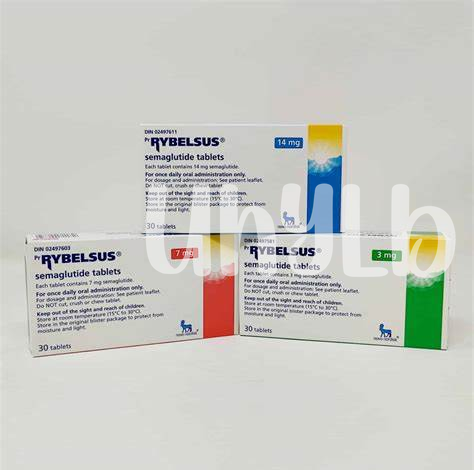
A daily pill such as rybelsus can blend into morning routines, yet it requires strict empty stomach timing and limited water, conditions that influence adherence in everyday life.
Injectable semaglutide offers weekly dosing with fewer pre dose constraints, easing schedules and often improving persistence for busy patients.
Choosing between them hinges on lifestyle, tolerance and support: some prefer a discreet pill, others a weekly shot. Clinicians should discuss titration, injection technique, side effect management and refill logistics to maximize adherence, using reminders, education and cost counseling to keep therapy effective.
Patient Selection Comorbidities Preferences and Contraindications
Deciding between therapies often feels personal: some patients prefer oral convenience while others accept injections for stronger effect. Clinicians weigh age, cardiovascular history, kidney function and digestive tolerance when recommending an option like rybelsus versus injectable semaglutide.
Key considerations guide selection:
| Comorbidity | Implication |
|---|
| Cardiovascular | benefit with injectable |
| Pancreatitis | avoid both |
Shared decision-making balances efficacy, safety and lifestyle factors. Contraindications such as personal or family thyroid C-cell tumor history, pregnancy or severe gastrointestinal disease often rule out therapy. Discuss monitoring, costs and individual goals to choose the right treatment plan today.
Access and Cost Insurance Affordability Patient Assistance
Patients often confront sticker shock when choosing semaglutide: branded injectables commonly carry higher pharmacy prices while the oral option can still be costly depending on copays. Coverage varies widely; formularies and prior-authorization rules can determine whether a clinician-prescribed regimen is accessible without delay now.
Manufacturer copay cards, coupons, and company-funded patient-support programs can dramatically lower out-of-pocket expenses for eligible people, but these often exclude those on public plans. Clinics and pharmacists can help navigate prior-authorization appeals, step therapy exceptions, or therapeutic substitutions that improve coverage prospects. Telehealth options may also broaden access.
Discuss cost expectations during visits and request written estimates; community health centers sometimes offer sliding scales or generic alternatives when available. For complex cases, social workers and specialty pharmacies coordinate enrollment in assistance programs, easing administrative burden so patients can focus on treatment and outcomes and insurance navigation.