 Starting Tenormin: Dosage Tips and What to Expect
Understanding Tenormin: How Atenolol Works in Body
Starting atenolol can feel like stepping into a calmer pace; the pill quietly slows heartbeats and reduces blood pressure so the body strains less.
It blocks beta1 receptors on the heart, lowering workload and oxygen demand while improving rhythm control during everyday activity and stress.
Effects begin within hours, with steady control after days to weeks as circulation and hormonal responses adjust to the lower rate.
Expect gentler exertion symptoms initially and monitor pulse; communicate any dizziness or persistent fatigue so dosing and timing can be tailored safely for you.
Starting Dose Guidelines: Finding Your Right Atenolol Amount
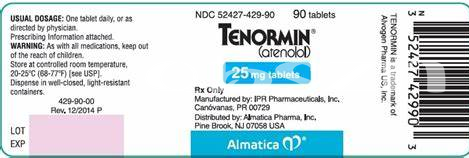
When you begin tenormin, your clinician will choose an initial amount based on blood pressure, pulse, age, kidney function and other medicines. Starting low helps you test tolerance while still aiming to reduce symptoms and cardiovascular risk.
Typical initial doses range from 25 to 50 mg once daily; many patients start at 50 mg. Older adults or those with renal impairment often receive smaller doses and slower escalation to avoid excessive bradycardia or hypotension.
Expect your provider to check heart rate and blood pressure within one to two weeks, and sooner if you feel dizzy or unusually tired. Labs for kidney function may be repeated to guide safe dosing.
Do not stop atenolol abruptly; gradual tapering prevents rebound hypertension or angina. Discuss goals with your clinician so adjustments — up to 100 mg if needed — match your risk profile.
Titration Tips: When and How to Adjust Dosage
Starting medication can feel like stepping onto shifting ground, but small, measured changes make the path steady. Work with your clinician to set early checkpoints—often within 1–2 weeks—to review blood pressure, heart rate and symptoms such as dizziness or fatigue. If readings remain high, a gradual increase is common.
Likewise, if slow pulse or severe lightheadedness develops, contact your provider before reducing or stopping tenormin; abrupt cessation can trigger rebound effects. Follow titration schedules your clinician provides, allow several days between adjustments, and keep a diary of measurements and side effects. Remote monitoring or home readings help inform safer decisions and ensure effective, personalised dosing. and promote safer, more effective treatment through regular clinician communication.
Common Side Effects: What Might Happen Initially
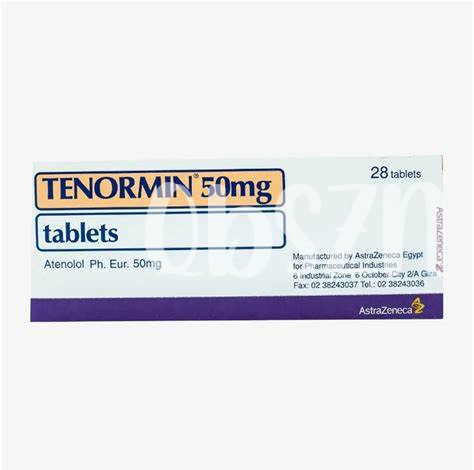
Starting tenormin can feel surprising: lightheadedness, fatigue, or a slower pulse might visit during the first days as your body adjusts. Many describe mild dizziness when standing up and a bluntness in exercise tolerance, symptoms that often ease within one to two weeks with steady dosing.
Less common effects include cold hands, sleep changes, or mild stomach upset. Keep a simple log of how you feel and heart rate, and tell your clinician about persistent or worsening signs. They may tweak dosage or timing to reduce discomfort while maintaining benefit.
Serious Warnings: When to Seek Immediate Help
When starting tenormin, imagine your heart adjusting to a new rhythm; small changes like dizziness, slowed pulse, or fatigue can feel dramatic but are transient. Watch for sudden breathlessness, chest pain, fainting, or swelling in legs — these suggest significant cardiovascular or pulmonary problems and need immediate evaluation. Also be alert for signs of low blood pressure such as lightheadedness or confusion.
If you notice severe allergic reactions (rash, swelling of face or throat, difficulty breathing), sudden weight gain, or cold, numb extremities, call emergency services or your prescriber immediately. Keep emergency contacts and medication information handy, and never abruptly stop beta blockers without guidance. Action can prevent complications and help your clinician adjust tenormin safely.
| Warning | Immediate Action |
|---|
| Severe breathlessness | Call emergency services |
Practical Tips: Taking Tenormin Safely Everyday
Build a simple routine: take atenolol at the same time each day, with or without food, to keep levels steady and predictable.
Use a pillbox, track doses on your phone, and never crush extended‑release tablets; discuss any missed doses with your clinician promptly directly.
Check blood pressure and pulse at home; note dizziness, fatigue, or slow heartbeat, and report persistent changes to your healthcare team as soon.
Carry a current medication list, mention atenolol before new prescriptions, limit alcohol, and never stop suddenly without medical advice to avoid withdrawal effects.