 Tirzepatide Research: What Studies Show So Far
Mechanism Behind Tirzepatide's Dual Hormone Action
A single engineered peptide combines glucose-dependent insulinotropic polypeptide (GIP) and glucagon-like peptide-1 (GLP-1) receptor agonism, creating synergistic appetite and glucose control. By activating both receptors, it enhances insulin secretion, suppresses glucagon, slows gastric emptying and reduces hunger signals in the brain. This dual activity amplifies metabolic effects beyond what GLP-1 alone achieves.
At the cellular level, biased agonism and receptor co-activation trigger complementary signaling cascades in pancreatic beta cells and central nervous circuits. Preclinical models show greater weight reduction and glycemic improvements when both pathways are engaged, suggesting the molecular design intentionally balances potency, duration and tissue selectivity to maximize therapeutic benefit while moderating gastrointestinal side effects. It thus offers a rational pharmacologic advance.
Major Clinical Trials: Weight Loss and Diabetes

Large randomized trials reshaped expectations, enrolling thousands with obesity or type 2 diabetes and testing robust endpoints, safety measures, and long follow-up protocols and monitoring.
In multiple phase 3 studies, tirzepatide produced dramatic weight reductions and superior glycemic control compared with standard therapies across a range of baselines.
Participants often achieved clinically meaningful weight loss, dose-dependent effects emerged, and HbA1c declines were consistent across populations; adherence improved and QoL rose.
These results promise new treatment paradigms but prompt continued surveillance for safety, durability, and real-world effectiveness, and subgroup analyses are ongoing.
Comparing Tirzepatide to Other Glp-1 Agonists
Clinicians often call tirzepatide a breakthrough: it combines strong glucose lowering with pronounced weight loss, outperforming several GLP-1 agents in trial efficacy and patient appetite reduction.
Tolerability mirrors other incretin therapies: nausea and GI upset are most common, and higher efficacy sometimes raises transient symptoms; gradual dose escalation improves adherence and tolerability.
Prescribers weigh potency against safety record, cost, and patient preference; tirzepatide suits those prioritizing maximal weight loss and metabolic gains, while some patients or clinicians may favor established GLP-1s with longer real-world histories and ongoing safety monitoring efforts.
Safety Profile: Side Effects, Risks, Long-term Data
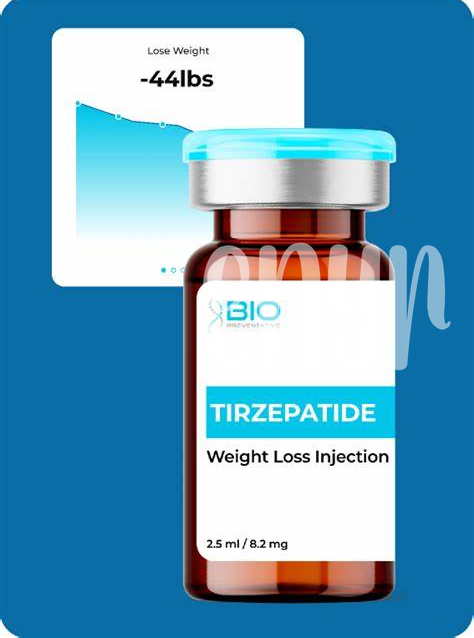
When patients begin tirzepatide, they often notice gastrointestinal effects—nausea, vomiting, diarrhea, constipation, the most common, especially during dose escalation. These symptoms usually abate with slower titration but cause discontinuation in a minority. Less frequent but important risks reported in trials include gallbladder events and elevations in pancreatic enzymes; hypoglycemia can occur when combined with insulin or sulfonylureas, so dose adjustments and monitoring are prudent.
Long-term observations remain limited but reassuring: cardiovascular outcome studies are underway; real-world registries will clarify rare events. Clinicians emphasize gradual dosing, vigilance for red flags (severe abdominal pain, persistent vomiting) and counseling potential weight regain after stopping therapy. Ongoing research will determine whether prolonged use changes cancer, bone, or neuroendocrine risks.
Metabolic Benefits Beyond Weight: Lipids and Glucose
Beyond obvious weight reductions, tirzepatide has shown consistent improvements in glycemic control and insulin dynamics. Trials report substantial HbA1c reductions, lower fasting glucose, and decreased requirement for additional antihyperglycemic agents. Patients experienced enhanced beta‑cell responsiveness and reduced hepatic glucose output, suggesting benefits that extend past calorie loss into core mechanisms of diabetes pathophysiology.
Cholesterol and triglyceride profiles improve as well, with trials noting reductions in triglycerides and small LDL particles alongside modest HDL rises. These shifts may lower cardiometabolic risk when sustained. Ongoing analyses aim to disentangle weight-dependent from direct incretin-mediated lipid effects, but emerging real-world data complement trials and hint at broader metabolic remodeling beyond simple weight loss and improve vascular function measures too.
| Marker | Observed Change |
|---|
| HbA1c | Significant reduction |
| Triglycerides | Decrease |
| HDL | Modest increase |
Future Directions: Ongoing Studies and Real-world Evidence
Researchers are expanding tirzepatide studies into broader populations, from adolescents to people with cardiovascular disease, seeking to map benefits and boundaries.
Large pragmatic trials and registries aim to capture real-world effectiveness, adherence patterns, and medication sequencing outside strict trial protocols.
Investigators are also probing long-term outcomes: durability of weight loss, impacts on kidney function, cardiovascular events, and cancer signals over years.
Early real-world analyses suggest high efficacy but variable insurance-driven access and side-effect management influence persistence. Future observational work will integrate electronic health records, patient-reported outcomes, and cost-effectiveness modeling to guide clinicians, payors, and policymakers on optimal prescribing strategies and equitable implementation in diverse healthcare settings. Ongoing registries will prioritize long-term representative enrollment and diversity.