 Trazodone Dosage Guide: Finding Your Sweet Spot
Understanding How Trazodone Works and Why It Matters
Imagine your brain’s sleep and mood switches being nudged back into balance; trazodone gently shifts serotonin pathways and blocks certain receptors to calm racing thoughts and promote sleep.
That biochemical nudge matters because dosing changes how strong and how long effects last; low doses often act sedative, while higher doses amplify antidepressant action.
Knowing mechanisms helps tailor dose and timing, balancing benefits against side effects; discuss goals with your clinician to find the right personal sweet spot. Small adjustments can change outcomes and reduce morning grogginess risk when monitored closely.
| Action | Effect |
|---|
| Serotonin modulation | Mood regulation |
| 5-HT2A antagonism | Improved sleep |
Standard Dosing Ranges: Starting Low, Titrating up Carefully
When you start trazodone, imagine testing a new path: gentle steps matter. Doctors commonly begin with low doses, assessing sleep benefit and tolerability before moving upward. Incremental increases let you find effectiveness without overwhelming side effects, while routine check-ins guide safe adjustments and realistic expectations.
Expect changes over weeks; patience pays. Titration often spans several weeks so clinicians can monitor response, orthostatic symptoms, and interactions with medications. If dizziness, excessive sedation, or mood shifts occur, report them promptly—small dose reductions or slower titration can preserve benefits while minimizing unwanted effects.
Nighttime Versus Daytime Dosing: Tailoring for Sleep
As evening settles, many people find trazodone’s sedating effects helpful for sleep. Taking a low dose at bedtime can shorten sleep onset and improve continuity, especially when anxiety keeps you awake. Start conservatively, allowing two to three weeks to judge benefit while watching for morning grogginess.
If trazodone is used during the day for depression, split doses or lower amounts reduce somnolence risk. Avoid alcohol and machinery until effects are known. Discuss interactions, liver issues, and timing with your clinician; they’ll recommend dose adjustments suited to your personal medical history.
Managing Side Effects and Minimizing Morning Grogginess
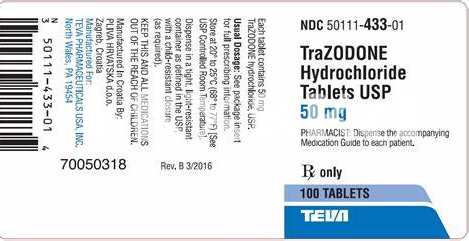
I remember waking foggy after my first sleep aid; with trazodone, many patients report similar morning haze. Small adjustments—taking the pill earlier in the evening or lowering a nighttime dose—often restore clarity without losing sleep benefits.
Watch for common side effects: dizziness, dry mouth, constipation, and rare but serious priapism. Avoid combining with alcohol or sedatives, and be cautious when starting other antidepressants to reduce serotonin risk.
If grogginess persists, discuss dose splitting, switching to a lower dose, or trying immediate‑release versus extended‑release formulations with your clinician. Stand up slowly to prevent lightheadedness and monitor blood pressure.
Keep a symptom diary for a week after changes so you and your prescriber can judge tradeoffs objectively. Gradual adjustments and clear communication are the fastest path to feeling alert by morning. Report severe or persistent problems immediately to your healthcare provider today.
Special Populations: Elderly, Liver Impairment, and Interactions
Imagine an older neighbor starting trazodone and sleeping better, yet needing a gentler approach. In elderly patients, lower starting doses and slow titration reduce dizziness and falls; regular review of other medications prevents interactions. Liver impairment slows metabolism, so dose reductions and monitoring are prudent.
Always check CYP inhibitors (like certain antifungals and antidepressants) and counsel on alcohol and sedative combinations. Collaboration with prescribers ensures lab checks, practical adjustments, and safer outcomes.
| Population | Tip |
|---|
| Elderly | Start low, monitor vitals |
| Liver | Reduce dose; check enzymes |
| Interactions | Avoid CYP inhibitors, alcohol; caution |
Practical Tips: Adherence, Missed Doses, Tapering Safely
Stick to a simple routine: take trazodone at the same time each day to build habit and monitor effects. Use a pillbox or alarm and note sleep and mood changes.
When you miss a dose, skip it if near the next scheduled time; don’t double-dose. Contact your clinician for misses. Keep a printed medication list and review interactions with prescribers.
Taper slowly under guidance to avoid withdrawal; reduce dose gradually over weeks. Communicate symptoms promptly and adjust pacing with your clinician. See trusted references for details online: MedlinePlus Mayo Clinic