 Vermox Myths Debunked: Separating Facts and Fiction
Busting Safety Myths Is Vermox Really Dangerous
Many people fear Vermox because of horror stories online, but context matters. Side effects exist, mostly mild and transient, and serious reactions are rare. Understanding dosage, duration, and monitoring reduces risk significantly for most patients.
Regulatory agencies evaluate vermox with data from trials and pharmacovigilance; clinicians weigh benefits against risks. Allergic reactions or liver disturbances are possible but uncommon. Report symptoms promptly and follow medical advice for safe use always.
Media amplification fuels myths, but evidence shows short courses effectively clear common helminths. Vulnerable groups require tailored care: children and pregnant people need specialist guidance. Accurate information combats fear and supports informed, confident treatment decisions.
| Tip | Action |
|---|
| Know common mild side effects | Contact provider if symptoms worsen |
| Follow prescribed dose and duration | Complete course; report severe reactions promptly |
| Children and pregnant patients need specialist advice | Keep scheduled follow up visits |
Effectiveness Explored Does Vermox Cure All Infections
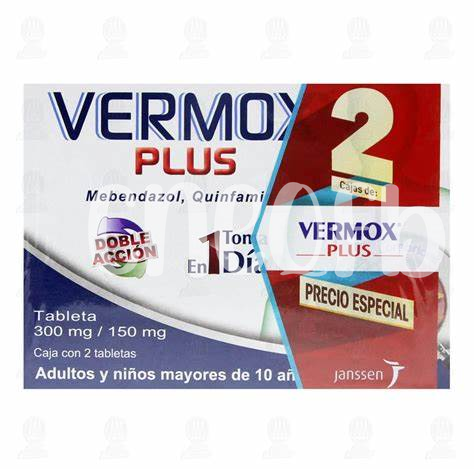
A patient remembers relief after one treatment, but real-world results vary; vermox targets many intestinal worms efficiently, especially pinworms and roundworms, producing rapid symptom improvement for most people quite often.
However, vermox isn’t universal: tissue parasites like tapeworm cysts or filariasis need different drugs, and diagnostic certainty matters — treating the wrong infection wastes time and risks side effects unnecessarily.
Best practice blends lab testing, targeted therapy, and follow-up; clinicians may repeat doses or choose alternatives when needed, so vermox is a powerful tool but not a cure-all for everyone.
Proper Dosing Demystified When and How to Use
Start with a precise plan: doctors tailor dosing to parasite type, patient weight, and medical history to maximize benefit and limit harm.
Typical courses are short; for common pinworms a single-day dose may suffice, while intestinal worms often require repeated or longer courses of vermox.
Follow prescription exactly; do not double-dose or stop early without medical advice.
Discuss interactions and liver concerns with your clinician, especially if taking other medications. Children and elderly may need adjusted regimens; monitoring ensures safe, effective eradication. Routine stool checks confirm clearance and reduce relapse.
Resistance and Reinfestation Separating Recurrence from Failure
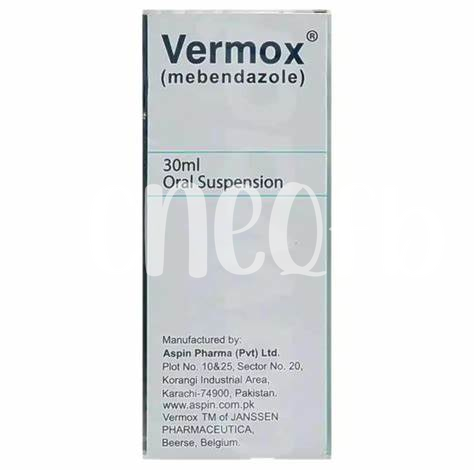
After treatment, a patient sometimes returns with itching and worry — not always treatment failure. Reinfestation happens when household contacts or contaminated bedding renew exposure, meaning vermox did its job but the cycle wasn't broken effectively.
True drug resistance is uncommon with common helminths, yet possible after frequent exposure or subtherapeutic dosing. Clinicians consider resistance when symptoms persist despite correct dosing, and they may order stool tests or alternative regimens promptly.
Adherence matters: skipping doses, crushing tablets, or treating only one family member undermines success. Simple measures — laundering linens, vacuuming, and coordinating treatment — often stop recurrence faster than changing medication. Follow-up testing confirms clearance in many.
When vermox seems to fail, document timing, exposures, and prior doses; this narrative guides whether retreatment, alternative drugs, or public health measures are needed. Expert review distinguishes true resistance from preventable reinfestation for better outcomes.
Pregnancy and Children Can Vermox Be Safely Used
A calm conversation with your doctor often starts the journey; myths about vermox in pregnancy and childhood can create unnecessary fear. Clear guidance exists: timing, dosage, and individual risk determine safety.
For pregnant patients, many guidelines advise caution in the first trimester; some helminth infections may be deferred until after delivery unless benefits outweigh risks.
Children often tolerate single dose treatments well, but age and weight influence dosing — pediatric assessment is essential to avoid under or overdosing.
Discuss alternatives, monitoring, and timing with specialists; informed choices protect mother and child. Keep records and schedule follow up testing when recommended. Open dialogue reduces anxiety and improves adherence.
| Group | Recommendation |
|---|
| Pregnancy | Consult clinician |
| Children | Weight based dosing |
Alternatives and Complementary Treatments Beyond Vermox Explained
Many patients assume a single pill solves every parasitic problem, but options exist beyond mebendazole. For common nematodes, albendazole and pyrantel pamoate provide effective alternatives; ivermectin may be preferred for certain infestations. Different parasites demand different drugs—praziquantel treats tapeworms and schistosomiasis, while nitazoxanide or metronidazole address protozoa. Choosing therapy depends on the identified organism, local resistance patterns, and patient factors, so diagnosis guides treatment and clinician consultation ensures safe choice.
Complementary measures often determine long-term success: rigorous handwashing, laundering bedding, treating household contacts, and improving sanitation reduce reinfection. Nutritional support and iron supplementation help recovery when anemia or undernutrition occur. Some people explore herbal remedies or probiotics; evidence varies, so discuss these with a clinician to avoid interactions or delays. In outbreaks, coordinated community deworming and education campaigns amplify individual treatment, reducing transmission and protecting vulnerable groups including young children.