 Stopping Wellbutrin: Tapering Tips and Withdrawal Signs
Preparing Mentally before Tapering Off Medication
Before changing your dose, imagine a steady path: clarify reasons, set realistic goals, and accept that progress may be uneven. Talk with someone supportive.
Learn common withdrawal signals and how timing might look; knowledge reduces fear and helps you notice changes early and prepare coping strategies.
Set a flexible timeline with your clinician, mark checkpoints, and celebrate small wins to keep motivation steady during shifts and track moods.
Build a support plan: who to call, when to pause tapering, and which coping tools calm anxiety or sleep disturbances, readily available.
| Action | Tip |
|---|
| Prepare | Clarify goals and tell a supporter |
| Monitor | Track mood and symptoms |
Safe Taper Schedules: Slow Steps and Checkpoints

Walking away from wellbutrin is often a story of small revisions rather than sudden endings. Start by planning reductions of 10–25% of your dose every two to four weeks, depending on how you tolerate changes, and keep a symptom journal to notice patterns. Regular check-ins with your prescriber create natural checkpoints, and each visit is a chance to pause, slow or reverse the taper if withdrawal signs emerge, mindfully adapt.
Set clear checkpoints: after each dose reduction, wait enough to assess mood, sleep, and physical symptoms before proceeding. Consider micro-tapers using pill-splitting, liquid formulations or pharmacy compounding for precise decreases. Track patterns, compare notes with your clinician, and involve a friend or family member who can notice changes you miss. Expect variability—some people need months to taper—and be prepared to slow the schedule if new or worsening symptoms appear too.
Identifying Withdrawal Signs: What to Watch for
When I tapered off wellbutrin, subtle shifts arrived: restless nights, dreams, and a creeping irritability that often caught me off guard.
Physical sensations followed: headaches, dizziness, flu like aches, tremors, and nausea; these are common signals your nervous system is recalibrating.
Emotional shifts are equally important: sudden sadness, anxiety spikes, irritability, or flattened affect can reflect withdrawal rather than relapse.
Keep a symptom diary, note onset after dose changes, measure duration and severity, and contact your clinician if problems persist or worsen. Immediate help is crucial for alarming neurological signs.
Managing Symptoms Naturally and with Medical Support
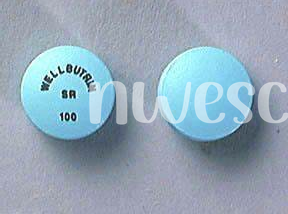
I remember the first days after tapering off Wellbutrin: mornings felt foggy, but small rituals — a glass of water, sunlight, and a short walk — helped steady my mind and body.
I logged symptoms each day and shared notes with my prescriber; this record guided slower dose reductions, temporary adjuncts, or brief supportive meds when anxiety spikes threatened function.
Simple strategies—deep breathing, consistent sleep schedules, nutritious meals, and incremental exercise—soften symptoms. Mindfulness and peer support provide emotional anchors, while avoiding alcohol or stimulants prevents worsening mood. Maintain regular psychiatric follow-up so changes in cognition or suicidal thoughts trigger prompt adjustment or emergency care; your safety plan should always be ready and keep trusted contacts available always.
When to Seek Help: Red Flags and Options
A sudden spike of agitation, suicidal thoughts, intense anxiety, or sensory disturbances during tapering can feel terrifying. If you notice these changes after reducing wellbutrin, pause the taper and contact your prescriber. Describe timing, severity, and any new behaviors so clinicians can assess risk quickly.
Emergency help is necessary for chest pain, fainting, severe confusion, or self-harm urges. Outpatient options include slowing the taper, temporary dose adjustments, or short-term supportive meds. Seek urgent care or crisis lines for immediate danger; for milder symptoms, arrange follow-up to review options and safety.
Long-term Relapse Prevention and Rebuilding Healthy Routines
Months after stopping medication, treat recovery like tending a garden: daily small acts build resilience. Establish predictable sleep, gentle exercise, and balanced meals, and track mood patterns so early slips are visible. Consistency beats intensity; small routines anchor brain chemistry and improve coping over time.
Keep supportive relationships close, share goals, and plan handleable stress strategies before temptation rises. Work with clinicians for sessions or review if cravings or depressive symptoms recur. Celebrate steady progress, adjust plans compassionately, and view setbacks as data rather than failure to sustain long-term wellness.